
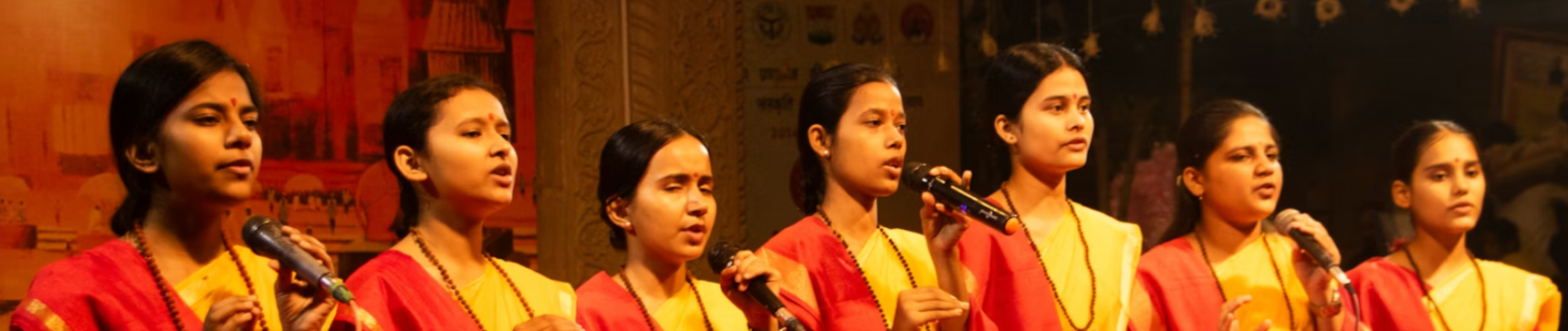
Indian Classical Vocal Lessons
Indian Classical Music is a rich and ancient tradition that offers a unique perspective on melody, rhythm, and improvisation, expanding students’ musical understanding and broadening their creative horizons. With roots dating back over 6,000 years, this art form is built upon two foundational elements:
Raga: A melodic framework that serves as the structural basis of the music.
Tala: A rhythmic cycle that provides the underlying pulse and organization.
Together, raga and tala create music that is deeply expressive and often connected to nature, reflecting specific seasons, times of day, and emotional states.
By incorporating Indian Classical Music into our curriculum, The Music Loft aims to provide students with a truly global musical education. This tradition not only introduces new sounds and techniques, but also encourages a new way of thinking about and experiencing music.
Key Features of Indian Classical Music
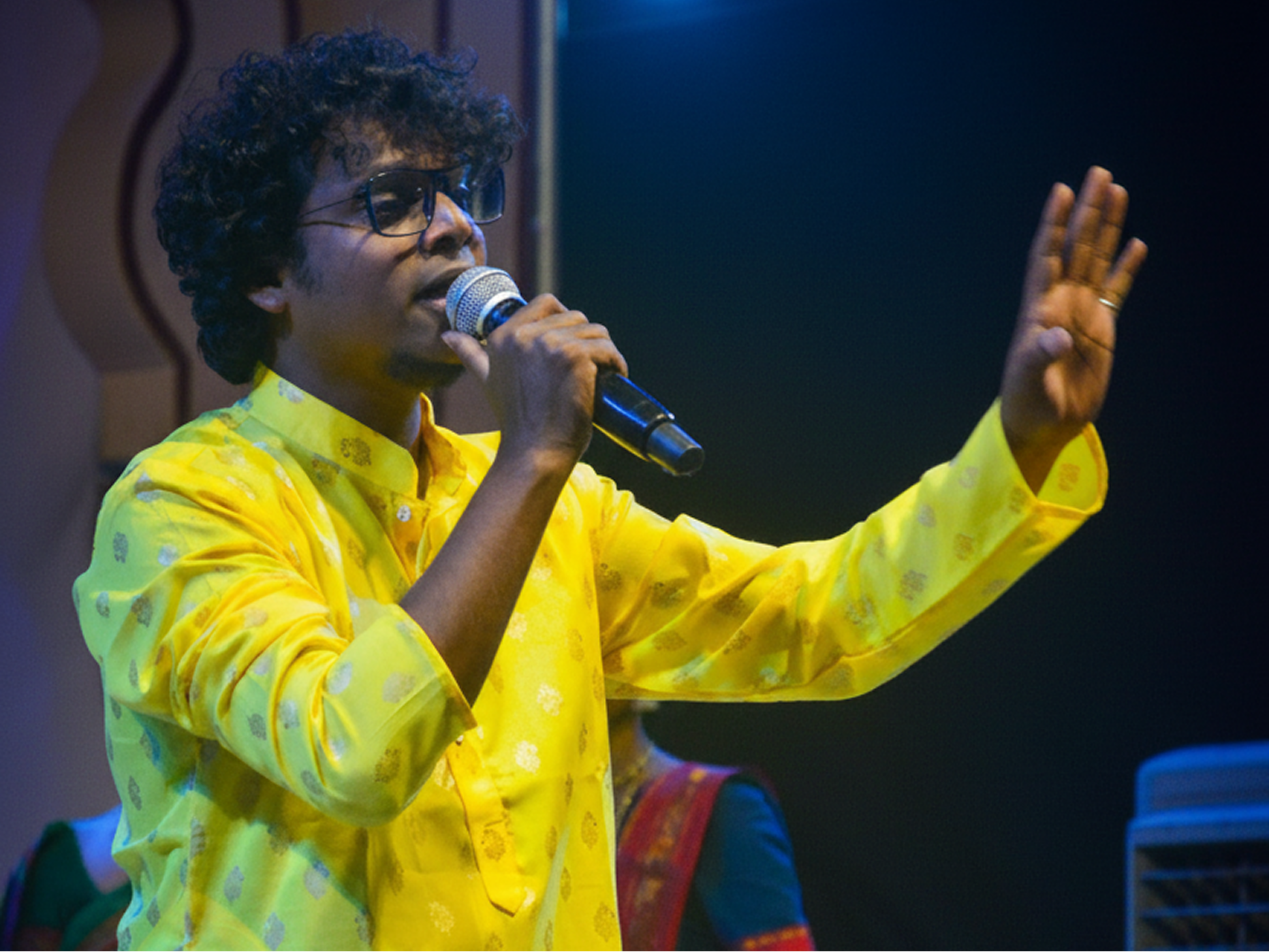
Improvisation
Unlike Western classical music, Indian classical music places a strong emphasis on improvisation within the framework of raga and tala.
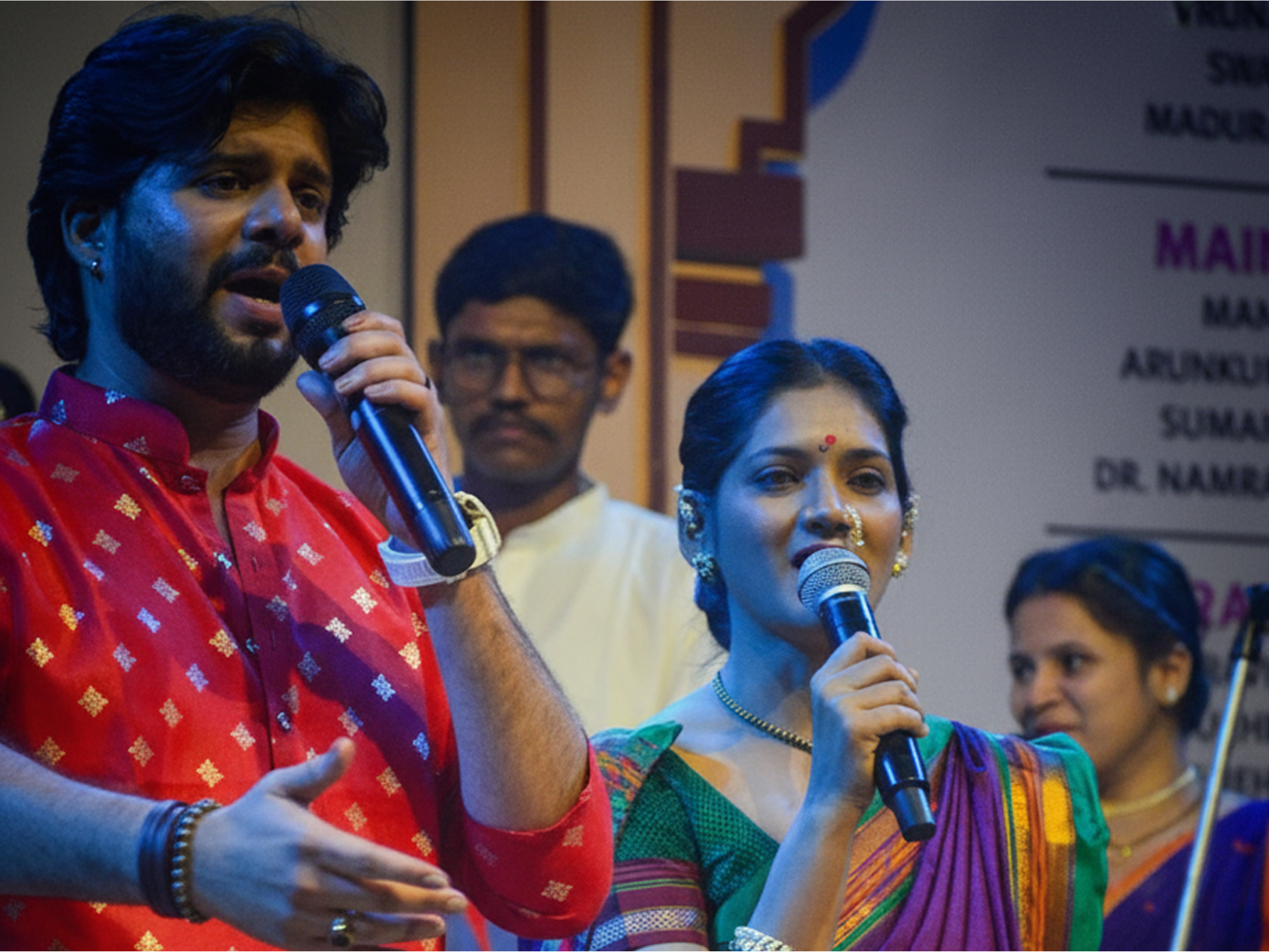
Microtones
The use of subtle variations in pitch, known as shruti, adds depth and emotional complexity to the music.
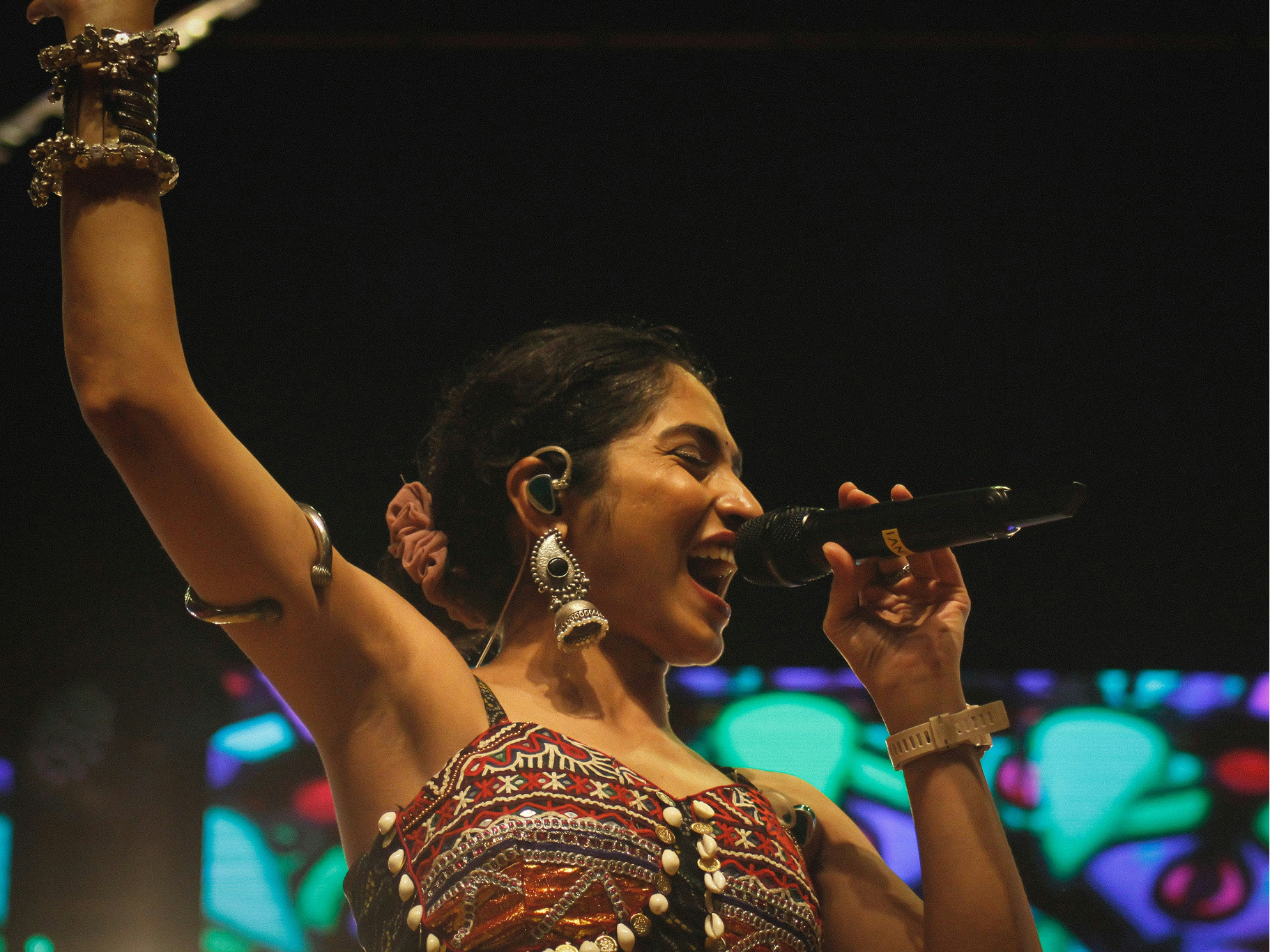
Unique Instruments
Sitar, tabla, sarod, and tanpura are some of the distinctive instruments that define this rich musical tradition.
Vocal Techniques
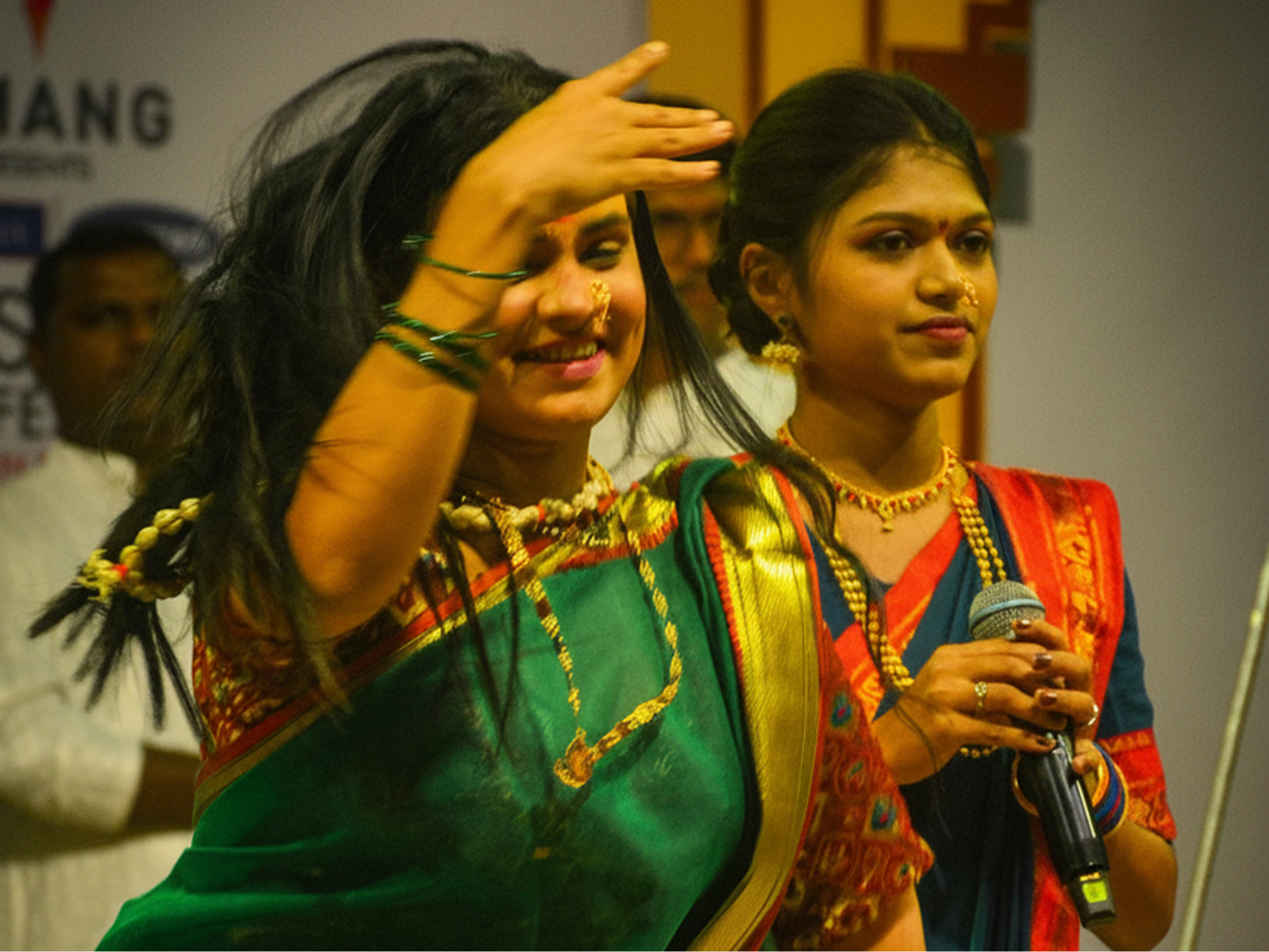
Singers use a clear, full voice without vibrato or falsetto, creating a powerful and distinctive vocal timbre.